
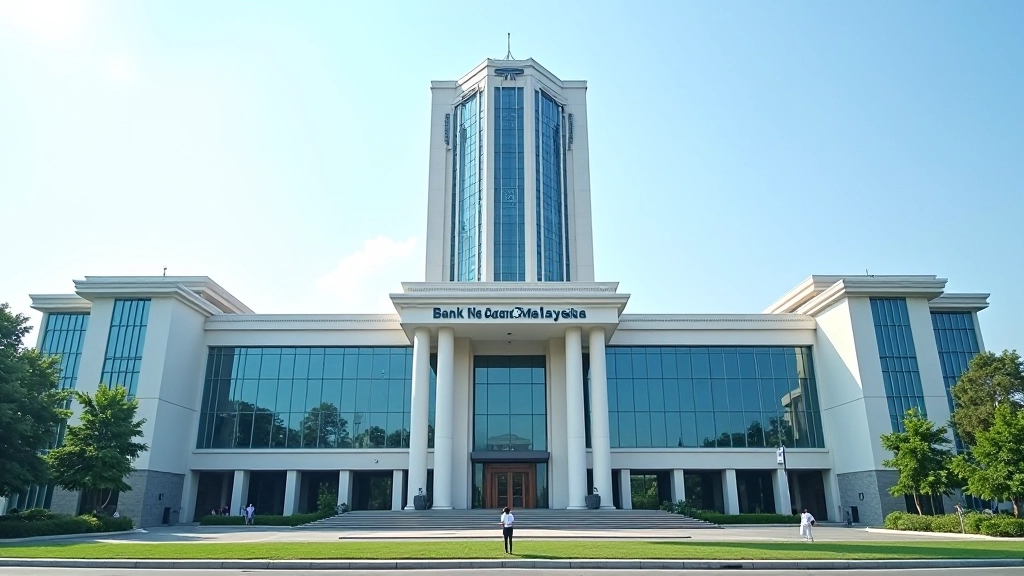
Bank Negara’s Monetary Policy Framework Explained
How the central bank uses interest rate decisions to manage inflation and support economic growth through targeted monetary interventions.
Read MoreUnderstanding the economic forces shaping Malaysia’s growth trajectory, from sectoral contributions to policy influences that matter in 2026.

Malaysia’s gross domestic product tells us more than just numbers. It’s the pulse of an economy that’s adapting, growing, and facing real challenges. When we talk about GDP growth, we’re really talking about whether businesses are expanding, whether people have jobs, and whether the economy’s moving forward or stalling out.
The country’s growth rate doesn’t happen in isolation. It’s shaped by what Bank Negara decides about interest rates, how inflation’s behaving, what’s happening in global markets, and whether employers are actually hiring. Understanding these connections helps explain why growth sometimes accelerates and sometimes slows down.
Malaysia’s economy isn’t dependent on just one thing, which is actually a strength. The services sector — financial services, tourism, retail, telecommunications — now accounts for roughly 60% of GDP. That’s where you’ll find growth momentum. Banking’s steady, tourism’s bouncing back stronger, and digital services are expanding.
Manufacturing still matters though. It’s about 23% of the economy, and it’s heavily export-focused. Electronics, petrochemicals, and palm oil processing all feed into global supply chains. When international demand picks up, Malaysia’s manufacturing hums. But here’s the thing — it’s also vulnerable to trade tensions and commodity price swings.
Agriculture contributes roughly 8%, but it’s getting more specialized. Rather than just volume, there’s movement toward higher-value products and sustainable practices. Construction rounds out the picture, responding to infrastructure development and real estate cycles.


Bank Negara doesn’t just watch the economy — it actively shapes it through interest rate decisions. When growth slows, they can lower rates to encourage borrowing and spending. When inflation gets too hot, they raise rates to cool things down. It’s a balancing act that directly affects business expansion and household spending patterns.
The central bank’s recent moves reflect this careful calibration. They’re monitoring inflation closely while trying to keep growth momentum going. Too tight, and you choke the economy. Too loose, and prices spiral. What makes it tricky is that Malaysia’s economy’s intertwined with global markets — they’re not controlling everything.
Interest rate changes take months to filter through the economy. A business might delay hiring decisions waiting to see where rates stabilize. Consumers might hold off on major purchases. That’s why the central bank has to think several quarters ahead.
Inflation’s tricky. Some inflation signals growth — people spending, businesses investing, wages rising. But too much erodes purchasing power fast. Malaysia’s been managing inflation in the 2-4% range, which economists generally see as healthy territory. It’s not causing panic, but it’s also not so low that it signals stagnation.
What’s interesting is that inflation doesn’t hit everyone equally. Energy and food prices matter way more to lower-income households. When oil prices spike globally, Malaysia feels it at the pump and the grocery store. The government sometimes steps in with subsidies or price controls on essentials, which adds complexity to the real inflation picture.
The employment market’s connected to all this too. When unemployment’s low and people have job security, they spend more confidently, which can push inflation up. When jobs are scarce, spending drops and inflation eases. That’s why Bank Negara watches employment numbers almost as closely as inflation rates.


The job market’s where economic theory meets real life. When GDP’s growing, companies usually hire. When it slows, hiring freezes. Malaysia’s unemployment’s been hovering around 3-4%, which is relatively low, but that number hides nuances. Youth unemployment’s higher. Wage growth’s modest in many sectors. Skills mismatches mean some jobs go unfilled while people struggle to find work.
Digital transformation’s reshaping the employment landscape. Tech skills command premiums. Manufacturing jobs are getting more specialized and fewer. The gig economy’s expanding, which provides flexibility but less security. That shift changes how people think about income stability and career planning.
Foreign workers play a role too. They fill labor gaps in certain sectors — construction, domestic help, agriculture. But there’s ongoing debate about their impact on wages and job availability for locals. It’s politically charged and economically complex.
Export-dependent sectors will track global demand. Supply chain resilience and trade relationships matter enormously. Regional partnerships could help buffer external shocks.
Tech adoption’s accelerating across sectors. E-commerce, fintech, digital services — these areas offer growth potential. Infrastructure investment in 5G and broadband matters.
Green initiatives aren’t just environmental — they’re economic. Renewable energy, sustainable agriculture, and ESG-focused investments shape growth trajectories.
Skills training and education investments directly boost productivity. Talent retention matters as much as talent acquisition for sustained growth.
Malaysia’s growth comes from diversified sectors, with services now leading. This diversification provides some resilience against sector-specific downturns.
Bank Negara’s monetary policy decisions create ripples through the entire economy. Interest rates, inflation control, and growth management are interconnected challenges.
Employment health signals future growth potential. When jobs are stable and wages rise, consumer spending increases, supporting broader economic expansion.
Global factors matter enormously. Trade relationships, commodity prices, and international demand directly impact Malaysia’s growth trajectory regardless of domestic policies.
Malaysia’s GDP growth isn’t determined by one factor. It’s the result of sector performance, policy decisions, employment dynamics, and global economic conditions all working together. Understanding how these pieces fit helps you see the bigger economic picture.
This article provides educational information about Malaysia’s economic trends and GDP growth drivers. It’s intended to help readers understand macroeconomic concepts and factors influencing national economic performance. The information presented is based on publicly available data and general economic principles.
This is not financial advice, economic forecasting, or investment guidance. Economic conditions change, and past trends don’t guarantee future results. Individual circumstances vary greatly. For specific financial decisions, policy analysis, or investment strategies tailored to your situation, consult with qualified financial advisors, economists, or relevant professionals. Central bank policies, employment data, and inflation rates are subject to revision and reinterpretation.