
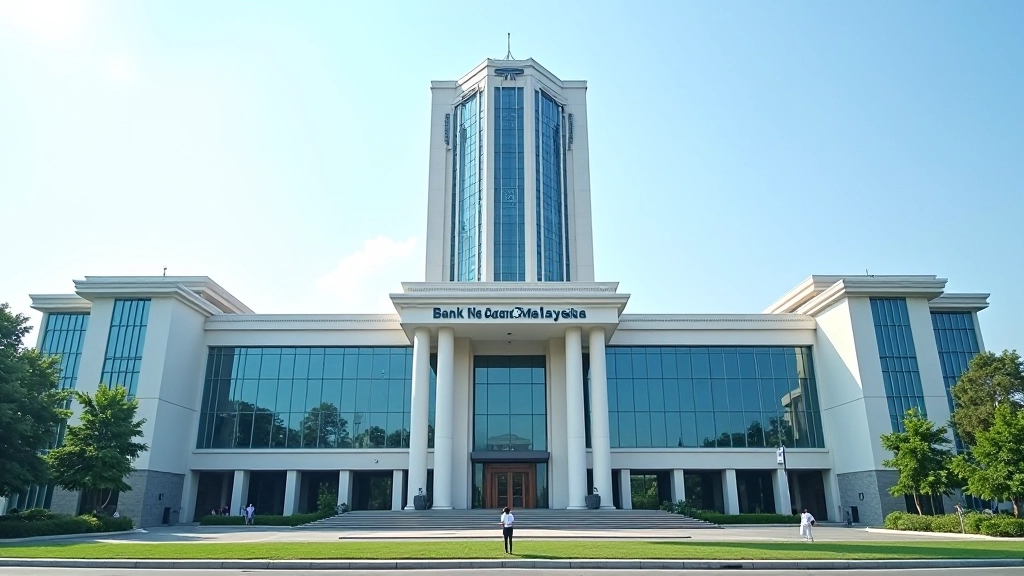
Bank Negara’s Monetary Policy Framework Explained
How the central bank uses interest rate decisions to manage inflation and support economic growth. Understanding monetary policy decisions that impact employment and wages.
Read ArticleUnderstanding unemployment trends, job creation patterns, and the skills employers are actively seeking across Malaysia’s dynamic workforce

Malaysia’s employment landscape is shifting. We’re seeing real changes in how companies hire, what skills they value, and where the jobs actually are. The unemployment rate hovers around 3.5%, but that headline number doesn’t tell the full story—it’s what’s happening beneath the surface that matters.
This isn’t just about statistics. It’s about understanding where opportunities exist, what’s driving job creation, and how wage patterns are evolving across different sectors. Whether you’re job hunting, planning a career change, or just curious about Malaysia’s economic direction, knowing these employment trends gives you real insight into what’s ahead.

The numbers that define Malaysia’s job market in 2026
Current unemployment stands at 3.5%, down from 4.2% in early 2024. This reflects growing job creation, particularly in technology and services sectors.
Over 2.3 million employment positions have been created in the past 18 months, with strong growth in digital services, healthcare, and manufacturing.
Average wage growth hovers between 5-7% annually, driven by competition for skilled workers and rising living costs across major urban centers.
Malaysia’s employed workforce reached 17.2 million people, with growing participation from women and younger demographics entering the job market.
Not all sectors are hiring equally. Technology remains the star performer, with software development, data analysis, and digital marketing roles expanding rapidly. Companies aren’t just looking for coders anymore—they want people who understand both the tech and the business side.
Healthcare’s seeing explosive growth too. Hospitals, clinics, and wellness services need nurses, specialists, and support staff. Manufacturing hasn’t disappeared; it’s evolving. Automation means fewer assembly line workers but more roles for technicians, engineers, and quality control specialists. Services—hospitality, retail, professional services—remain stable employers, though they’re increasingly competing for workers against higher-paying tech roles.
Real talk: The fastest growth is happening in jobs that didn’t exist five years ago. Digital marketing specialists, cybersecurity analysts, and sustainability consultants are in serious demand. If you’re skilled in these areas, you’ve got leverage.

What separates competitive candidates from the rest
SQL, Python, and BI tools like Tableau are essential. Companies need people who can turn data into decisions. You don’t need a PhD—solid practical skills get you hired.
AWS, Azure, and Google Cloud certifications open doors. Migration to cloud infrastructure is accelerating, and companies desperately need certified professionals.
SEO, paid advertising, content strategy, and analytics skills command good salaries. Most roles require hands-on experience with actual campaigns, not just theory.
Every organization now prioritizes security. Roles in this space offer premium salaries. Certifications like CompTIA Security+ or CEH accelerate your career.


Here’s what hiring managers actually tell us: technical skills get you the interview, but soft skills get you hired. Communication isn’t just small talk—it’s explaining complex ideas clearly. Project management doesn’t mean fancy software; it means delivering on time within budget. Adaptability? That’s your ability to learn new systems quickly without panicking.
Leadership matters even in junior roles. Taking initiative, mentoring newer team members, and stepping up when something needs doing—these behaviors get noticed. Problem-solving isn’t about having all the answers; it’s about asking the right questions and thinking things through. And honestly, companies value people who can work well in teams, handle feedback without getting defensive, and stay calm under pressure.
How salaries are changing across different sectors and experience levels
RM 2,000 – RM 3,500/month
Fresh graduates typically start in this range. Tech roles lean toward the higher end, while administrative or customer service roles settle lower. Getting that first job is about opportunity and learning, not maximum salary.
RM 4,000 – RM 7,500/month
This is where salary jumps meaningfully. Specialization pays off. A senior developer or project manager with proven track record commands the upper range. Experience matters here more than anywhere else.
RM 8,000 – RM 15,000+/month
Leadership roles, specialized expertise, and track record of results define this bracket. Directors, senior architects, and specialists can push beyond RM 15,000. Executive roles venture into six figures.
Important context: These figures reflect Kuala Lumpur and major urban centers. Regional cities typically offer 10-20% less. Cost of living varies significantly, so what seems like a great salary in one area might be tight in another. Always factor in housing, transport, and lifestyle when evaluating offers.
It’s not all positive. Malaysia’s employment market faces real headwinds. Skills gaps are serious—employers say they can’t find qualified people for open positions, yet job seekers struggle to land interviews. There’s a disconnect between what universities teach and what companies need. Someone can have a degree but lack practical experience with current tools and methodologies.
Job market competition has intensified. Every role attracts dozens of qualified applicants. This means your resume needs to stand out, your interview skills matter more than ever, and networking has become essential. Remote work has opened opportunities but also expanded the talent pool—you’re now competing globally for some positions.
Wage growth isn’t keeping pace with living costs in major cities. Housing, education, and transportation expenses have climbed faster than salary increases. This squeezes workers, particularly younger professionals trying to build careers while managing financial pressures.

Malaysia’s employment market is active, competitive, and evolving rapidly. The opportunities exist—especially in technology, healthcare, and emerging sectors. But getting ahead requires more than just applying to jobs. You need relevant skills, a strong professional network, and a clear understanding of your value.
Whether you’re job hunting, planning a career pivot, or trying to negotiate better terms, knowing these trends gives you real leverage. The market rewards people who upskill intentionally, communicate effectively, and demonstrate concrete results. Wage growth is real but requires strategic moves—sometimes that means switching companies or sectors rather than waiting for raises.
The job market doesn’t owe anyone anything. But if you understand what employers need, build skills they value, and approach the search strategically, you’ll find opportunities. Stay informed, keep learning, and don’t settle for less than you’re worth.
Want deeper insights into Malaysia’s economy? Explore our related articles on monetary policy, GDP trends, and inflation analysis.


This article provides educational information about Malaysia’s employment market trends as of March 2026. Data and statistics are based on publicly available information and general industry observations. Employment figures, wage ranges, and sector information are approximate and subject to change. Individual circumstances vary significantly based on location, experience, education, and specific employer. This content is not career advice, employment guidance, or financial recommendation. Job market conditions evolve continuously. For specific career decisions, wage negotiations, or employment-related concerns, consult with career counselors, human resources professionals, or industry specialists familiar with your particular situation. Wage figures mentioned represent typical ranges in major urban areas and may differ significantly in other regions of Malaysia.