

Malaysia’s GDP Growth: Trends and Drivers
Analyzing recent GDP patterns, sector contributions, and economic factors influencing Malaysia’s growth trajectory.
Read MoreHow Malaysia’s central bank uses interest rates and policy tools to manage inflation and support sustainable economic growth
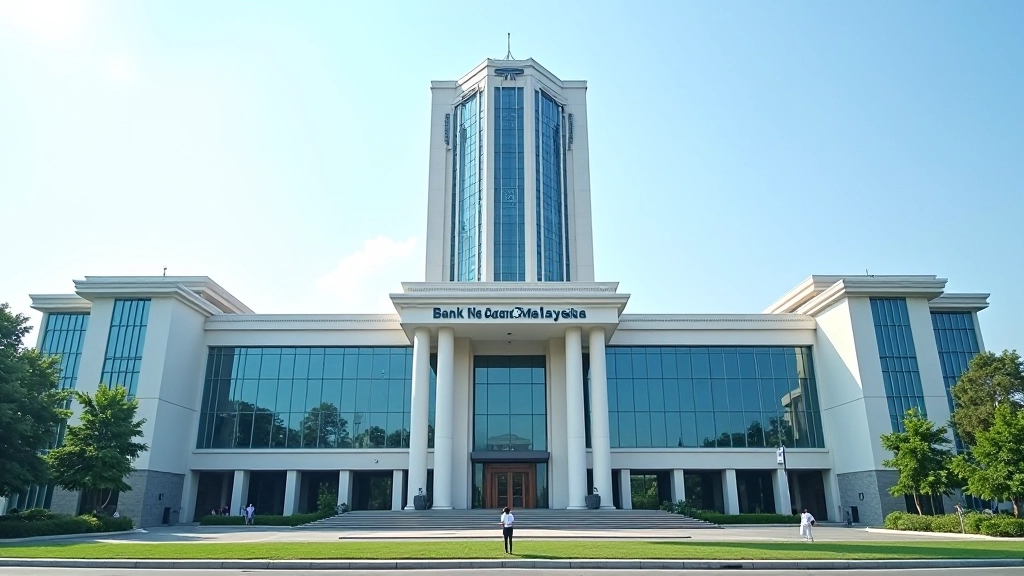
Bank Negara Malaysia, the nation’s central bank, plays a crucial role in steering the country’s economy. It’s not a commercial bank where you deposit money or take out loans. Instead, it’s the financial authority that influences how the entire banking system operates and how much money circulates through the economy.
Think of it this way: when Bank Negara adjusts interest rates, every other bank in Malaysia adjusts theirs too. When the central bank tightens credit, businesses find it harder to borrow. When they ease policy, lending becomes more accessible. These decisions ripple through everything — from mortgage rates to employment opportunities to inflation in your grocery basket.

At the heart of Bank Negara’s toolkit sits the Overnight Policy Rate (OPR). It’s the interest rate at which commercial banks lend money to each other overnight. You won’t interact with it directly, but it affects you constantly.
When Bank Negara raises the OPR, banks face higher borrowing costs. They pass this along through increased lending rates on mortgages, car loans, and credit cards. Higher rates discourage borrowing and spending, which cools inflation. Conversely, cutting rates makes borrowing cheaper, encouraging spending and investment. The central bank adjusts this rate based on economic conditions — typically raising it when inflation’s too high and lowering it during slowdowns.
The OPR isn’t set in isolation. Bank Negara considers inflation trends, employment data, growth forecasts, and external factors like global interest rates. It’s a balancing act: keep inflation controlled without strangling economic growth.


Bank Negara’s primary objective is maintaining price stability. This doesn’t mean prices never change — that’s unrealistic. Instead, it means keeping inflation at a moderate, predictable level. Too much inflation erodes purchasing power. Your salary stays the same but everything costs more. Savings lose value. Too little inflation, especially if it tips into deflation, discourages spending and investment.
Malaysia targets inflation around 2-3% annually. When actual inflation climbs above this range, the central bank typically tightens monetary policy by raising the OPR. This happened in 2022-2023 when global supply chain disruptions and energy price surges pushed inflation higher. Bank Negara gradually raised rates from 1.75% to 3.25%, cooling demand and bringing inflation back into the target zone.
But here’s the complexity: tighter policy takes months to show results. Inflation’s already embedded in prices. So the central bank must act preemptively, raising rates before inflation spirals. Get it wrong, and you either let inflation run wild or create unnecessary recession.
Beyond the OPR, Bank Negara employs several other policy instruments. Reserve requirements dictate how much cash commercial banks must hold relative to their deposits. Lower reserve requirements free up money for lending. Higher requirements restrict lending capacity. It’s a blunt instrument, but effective during crises.
The central bank also conducts open market operations — buying and selling government securities to adjust money supply. When it buys securities from banks, it injects cash into the system, easing liquidity. When it sells, it removes cash, tightening conditions. During the 2020 pandemic, Bank Negara slashed rates and conducted large-scale asset purchases to prevent financial collapse.
Another tool is the Statutory Reserve Requirement (SRR). Banks must hold a percentage of deposits as reserves at the central bank. Lowering the SRR releases capital for lending. Raising it tightens credit. Bank Negara used this during COVID-19, temporarily reducing the SRR to boost lending to struggling businesses.

Monetary policy doesn’t work instantly. There’s a lag between when the central bank acts and when you feel the effects.
Bank Negara announces a change to the OPR during quarterly Monetary Policy Committee meetings.
Commercial banks adjust their lending rates. Mortgage rates, car loan rates, and credit card rates shift within weeks.
Higher rates discourage borrowing. Businesses postpone expansion. Consumers delay major purchases. Spending slows.
Reduced demand eases inflationary pressure. Wages and prices stabilize. Employment may soften temporarily.

Running monetary policy isn’t straightforward. The central bank faces genuine dilemmas with no perfect solutions.
Consider the inflation-growth trade-off. Raising rates cools inflation but also dampens economic growth and job creation. Cut rates too aggressively to boost growth, and inflation resurfaces. Bank Negara must navigate this constantly, trying to keep inflation under control while supporting employment and growth. Sometimes these goals conflict.
Global factors complicate things further. Malaysia’s a small, open economy. International interest rates, commodity prices, and capital flows significantly influence domestic conditions. When the US Federal Reserve raises rates, foreign investors withdraw money from emerging markets like Malaysia, weakening the ringgit. This makes imports more expensive, pushing up inflation. Bank Negara must respond, but its options are limited when global forces are overwhelming.
Then there’s the timing problem. Monetary policy works with long lags — typically 6-12 months before full effects emerge. So the central bank must forecast economic conditions far into the future. If forecasts are wrong, policy becomes counterproductive. Tighten too much when a slowdown’s coming, and you deepen the recession. Ease too much when inflation’s building, and you fuel it further.

Bank Negara’s monetary policy decisions aren’t abstract economic theory. They directly shape your financial life. When the central bank raises rates, your mortgage becomes more expensive. Your savings account yields more interest. Your job security may weaken if businesses cut hiring due to higher borrowing costs. When rates fall, borrowing becomes cheaper but savers earn less.
Understanding these dynamics helps you make better financial decisions. You’ll know why mortgage rates move. You’ll understand why inflation matters beyond just prices at the supermarket. You’ll appreciate the difficult balancing act central banks perform, and why there’s no magic solution that benefits everyone equally.
Bank Negara’s framework isn’t perfect, but it’s essential. Without active monetary management, Malaysia’s economy would be far more volatile — subject to wild swings in inflation, unemployment, and growth. The next time interest rates change, you’ll know there’s a thoughtful process behind it, guided by economists analyzing vast amounts of data and wrestling with genuine trade-offs.
This article provides educational information about Bank Negara’s monetary policy framework for general understanding purposes only. It’s not financial advice, investment guidance, or economic forecasting. Monetary policy operates in complex systems with many variables, and actual outcomes depend on numerous factors beyond the central bank’s control. For specific financial decisions regarding investments, loans, or savings, consult with qualified financial advisors. Economic conditions and policy approaches change over time, so information here reflects the context as of March 2026.